



How to identify scrap metal: A simple guide for home workshops and DIY makers
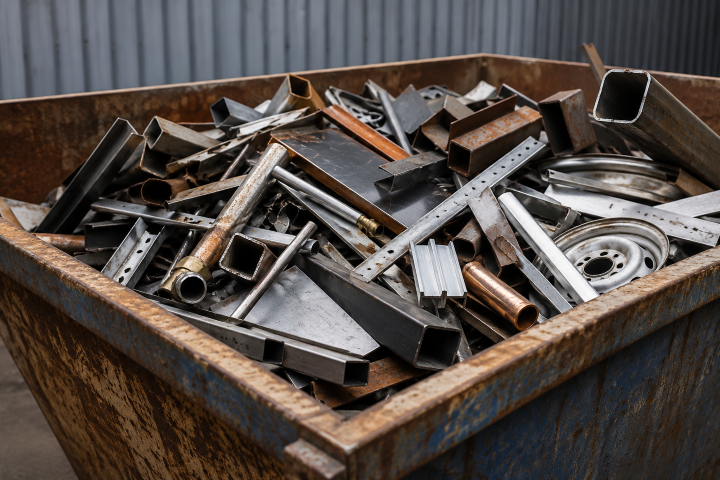
If you have a pile of old metal in the garage, workshop, or shed, there is a good chance some of it still has value. Scrap metal can often be reused for DIY projects, fabrication work, welding practice, or even sold for recycling.
The challenge for many beginners is knowing what type of metal they are looking at. Some materials are immediately recognisable, while others can look almost identical until you test them properly.
The good news is that you do not need specialist equipment to get started. With a magnet, a file, a grinder, and a few simple observations, you can identify the most common scrap metals quickly and safely.
In this guide, we will walk through a simple identification process used by hobbyists, fabricators, and workshop users to separate ferrous and non-ferrous metals confidently.
Understanding the two main types of scrap metal
Before identifying individual metals, it helps to understand the two broad categories of scrap metal:
Ferrous metals
Ferrous metals contain iron. These are usually magnetic and are commonly used in construction, engineering, and manufacturing.
Examples include:
-
Mild steel
-
Carbon steel
-
Cast iron
Ferrous metals are generally strong and durable but prone to rust if left unprotected.
Non-ferrous metals
These contain little to no iron and are mostly non- magnetic. Non-ferrous metals offer benefits such as corrosion resistance, lower weight, or improved conductivity.
Examples include:
-
Aluminium
-
Copper
-
Brass
-
Stainless steel
Different non-ferrous metals vary greatly in value, weight, and appearance.
If you want to learn more about specific metal types, explore our guides on aluminium, stainless steel, brass, and mild steel at metals4U.
Step 1: The magnet test (The absolute baseline)
The magnet test is the quickest and easiest way to start identifying scrap metal.
How to perform the test
Hold a strong magnet against the surface of the metal to see if it attracts. Any strong magnet, even a decent fridge magnet, will work for a basic check, though a dedicated workshop magnet offers more consistent results
If the magnet sticks
The metal is magnetic which usually means you are dealing with:
-
Mild steel
-
Carbon steel
-
Cast iron
These materials are commonly found in brackets, machinery, tools, frames, gates, and structural components.
If the magnet does not stick
If there is little or no magnetic attraction, the metal is likely non-ferrous.
Common possibilities include:
-
Aluminium
-
Copper
-
Brass
-
Most stainless steels
These metals are often found in electrical components, plumbing fittings, kitchen equipment, automotive parts, and fabrication offcuts.
The stainless steel exception
Stainless steel can sometimes confuse beginners because different grades react differently to magnets.
Grades such as 304 and 316 stainless steel are generally non-magnetic or only very slightly magnetic. However, ferritic grades such as 430 stainless steel are magnetic and will attract a magnet much more noticeably. Grade 430 is commonly used for applications such as magnetic wall boards which we also supply cut to size at metals4U.
Because of this, a magnetic reaction does not automatically mean the material is mild steel.
Step 2: The weight & colour check
Once you know whether the metal is magnetic, the next step is to look at its colour and weight.
These simple observations can quickly narrow down the possibilities.
Copper
Copper has a distinctive reddish-orange appearance that is difficult to mistake once you recognise it.
Older copper often develops a green surface layer called a patina, which is a natural form of oxidation commonly seen on pipes, roofs, and outdoor fittings.
Copper is also relatively heavy for its size.
Brass
Brass has a yellow or gold appearance and is commonly used in plumbing fittings, valves, decorative parts, and musical instruments.
It feels noticeably heavier than aluminium and does not rust.
Aluminium
Aluminium is easy to recognise because it feels surprisingly light compared to steel.
It usually has a silver or white appearance and does not rust like iron-based metals. Instead, it can develop a dull white powdery oxidation layer over time.
Aluminium is commonly used for fabrication work, vehicle parts, trailers, signage, and general sheet metal projects.
Lead
Lead is extremely heavy and noticeably softer than most other metals.
In some cases, you can mark the surface with a fingernail or a blunt object.
Safety Warning: Lead is toxic. Always wash your hands thoroughly after contact, and avoid breathing in any dust created if you are cutting or sanding the material.
Identification table at a glance
|
Metal |
Colour |
Magnet Sticks? |
Weight |
|
Mild Steel |
Dark Grey/Rusty |
Yes |
Heavy |
|
Aluminium |
Silver/White |
No |
Very Light |
|
Copper |
Red/Orange |
No |
Heavy |
|
Brass |
Yellow/Gold |
No |
Heavy |
|
Stainless Steel |
Bright Silver |
Usually No |
Heavy |
Step 3: The spark test (For advanced identification)
The spark test is a more advanced method commonly used in workshops and fabrication environments.
It helps identify different types of steel by observing the colour and pattern of sparks produced during grinding.
How to perform the spark test
Briefly touch the metal against a bench grinder or angle grinder and watch the sparks carefully.
Different metals create different spark patterns.
Mild steel sparks
Mild steel usually produces:
-
Long yellowish-white sparks
-
Moderate spark volume
-
Few branching bursts at the end
High-carbon steel sparks
High-carbon steel creates:
-
Shorter, brighter sparks
-
More branching
-
Multiple bursts that resemble fireworks
The higher carbon content changes how the metal burns during grinding.
Stainless steel sparks
Stainless steel typically produces:
-
Short straw-coloured sparks
-
Smaller spark streams
-
Very few branches
Aluminium and brass
Aluminium and brass generally do not create sparks during grinding.
If a yellow metal produces obvious sparks, it is most likely to be steel with a brass coating or plating.
Step 4: The "File" test
The file test is useful when the outer surface may not accurately reflect the underlying metal.
How to perform the test
Use a metal file on a corner or hidden section of the material and examine the exposed surface.
Identifying plated metals
Some items appear to be brass or chrome but are actually plated steel underneath.
For example:
-
A gold-coloured fitting may only have a thin brass coating
-
A shiny silver finish may simply be chrome plating
If filing reveals a dull grey metal below the surface, the item is likely plated steel rather than solid non-ferrous metal.
Testing hardness and feel
Different metals also react differently when filed.
-
Aluminium and lead feel softer and may clog the file
-
Steel feels harder and more resistant
-
Brass tends to cut smoothly without excessive clogging
This simple test can often confirm what the magnet and weight checks suggest.
Safety first: What to avoid
Sorting and handling scrap metal can involve sharp edges, contaminated materials, and potentially hazardous items.
Always take basic workshop safety seriously.
Avoid hazardous scrap
Do not cut, grind, or dismantle:
-
Sealed tanks or containers
-
Items containing mercury
-
Older industrial gauges
-
Unknown pressurised containers
-
Suspected radioactive materials
If you are unsure what an item contains, leave it alone and seek professional advice.
Protect your hands
Scrap metal often has extremely sharp edges, especially cut sheet metal and damaged offcuts.
Level 5 cut-resistant gloves are strongly recommended when sorting or handling scrap materials.
Eye protection should also be worn when using grinders, files, or cutting tools.
Summary: When to use scrap vs. new metal
Scrap metal can be extremely useful in a workshop environment, especially for:
-
Brackets
-
Practice welding
-
Jigs and fixtures
-
Prototypes
-
Small DIY fabrications
However, there are situations where new metal is the better choice.
New material is recommended when:
-
Structural strength matters
-
Material certification is required
-
Corrosion resistance is critical
-
Precise dimensions are needed
-
You need a guaranteed grade, such as 316 stainless steel
Using known material grades removes uncertainty and helps ensure reliability in demanding applications.
Cannot find what you need in the scrap pile? Explore the full range of metal products at metals4U, all available cut to size and delivered direct to your door.




Share this: