

Ideas & Advice
Filter by topic

Metals Grade Guides



Steel is one of the most commonly used metals in the commercial and home metal workshop. Steel is chosen for its strength, versatility, ease of use, and durability. But just how is steel made? Read on to find out more.

'Buffing' and 'polish' are terms that are often used interchangeably, this can lead to uncertainty for both the experienced and inexperienced fabricator. There are also a wide range of different finishes available which can lead to further confusion. To help clear up any misunderstandings, here is a brief overview of various terms you may come across and a brief explanation of each one.
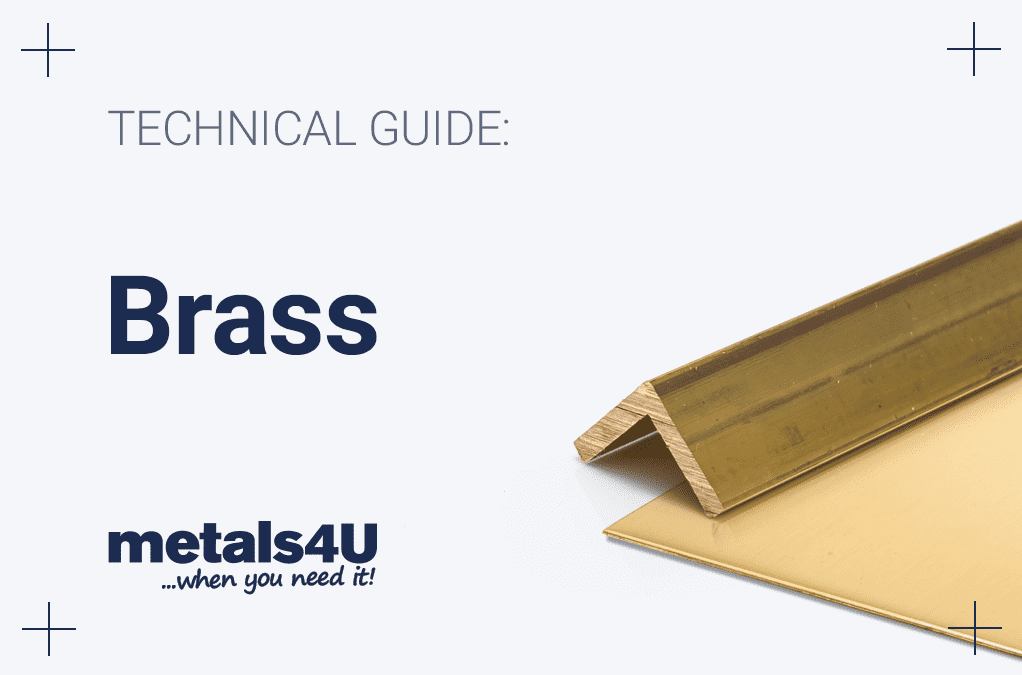
metals4U stock a wide range of brass profiles for use in the home or commercial workshop, we also stock a comprehensive range of brass handrails and fittings ready for immediate use. We supply CZ108, CZ121, CZ126 and CZ130 grades of brass, and all our stock conforms to the relevant industry standards and specifications.

Bronze is an alloy comprising primarily of copper and about 12% tin. Other metals such as zinc, manganese, nickel, or aluminium are also commonly added to produce a range of alloys that are much harder than unalloyed copper. Other non-metals, or metalloids as they are also known, such as arsenic, phosphorus or silicon may also be added to create alloys with added benefits such as increased stiffness, ductility, or improved machinability. Bronze is non-magnetic.