



Can you glue metal to metal? A comprehensive guide to metal adhesive glue
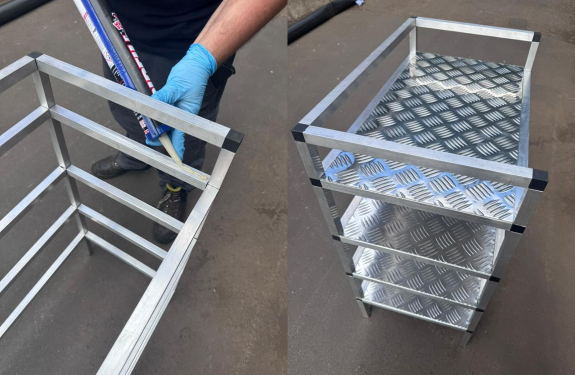
Understanding metal adhesive glue
Selecting the right adhesive when glueing metal together is very crucial. Metal adhesive glue has been designed to form strong bonds between metal surfaces. The glue works by filling the microscopic gaps on a metal surface, creating a solid and long-lasting bond. There is a range of metal adhesives available. Some of these include epoxy, polyurethane glues, and cyanoacrylate (also known as superglue). Each adhesive can offer different benefits, depending on the type of metal being bonded and the strength of the bond required. The best adhesive for the job will depend on the specific application as well as environmental factors, such as heat and moisture exposure.
For more on aluminium, check out our guide on this versatile metal.
The strongest metal glue options
When determining the strongest metal glue, it is important to understand the various types available. Epoxy glue is regarded as one of the strongest options for bonding metal to metal. It produces a highly durable bond that is capable of resisting moisture, heat and chemicals, making it an excellent choice for heavy-duty applications.
Another recommended option is polyurethane-based adhesives, which also offer strong adhesion and flexibility.
For high-strength applications, industrial-strength metal adhesives such as Loctite or Gorilla Epoxy are highly recommended. Typically, these adhesives are used in manufacturing and construction projects where a strong, permanent bond is required.
If you are interested in bonding mild steel, explore the various adhesive solutions we offer.
How to stick metal to metal effectively
Successfully glueing metal to metal involves several essential steps.
-
Begin by preparing the metal surfaces. You must clean them thoroughly to remove any dirt, oil, or rust that could result in interference during adhesion. Sanding or lightly scuffing the surfaces can help to increase adhesion by providing a rougher texture for the glue to bond with.
-
Once the surfaces are clean and prepared, apply the adhesive according to the manufacturer’s instructions. Ensure that the metals are pressed together firmly and hold them in place for the recommended amount of time to maintain a strong bond. Additionally, you may want to clamp the pieces to prevent movement while the glue cures.
-
Finally, allow the adhesive to set completely before using the bonded metal.
For projects using stainless steel, check out our selection of materials for various applications.
Superglue for metal - does it work?
Cyanoacrylate, also known as superglue, is often relied upon for quick fixes, but is it effective when bonding metal? In some instances, Superglue can bond metal to metal, especially for small items and light-duty tasks. However, it may not offer the strength or durability required for heavy-duty applications.
For any metal that will be exposed to high moisture, stress and heat, superglue is a less suitable option as it can become brittle in these environments. Although it may offer a quick and easy solution for minor repairs, there are better choices available if you are aiming to achieve a long-lasting bond on metal surfaces.
For bonding brass, we offer a range of options tailored to your specific needs.
Choosing the best metal-to-metal glue
Choosing the right glue for bonding metal requires careful consideration of the project requirements. Factors such as the type of metal, the strength of the bond needed, and environmental exposure should all influence your choice.
For example, epoxy adhesives are ideal for bonding metals that will be exposed to extreme temperatures or chemicals. Polyurethane adhesives are a good option when flexibility is required. Superglue may be suitable for smaller, less demanding tasks, but should be avoided for structural or high-stress applications.
Always read the manufacturer’s recommendations to ensure the adhesive is appropriate for your project.
For use with copper, explore our material options to find the right fit for your project.
Tips for successful metal bonding
To ensure a successful bond when glueing metal to metal, preparation is key. Clean and sand the metal surfaces to promote adhesion, and always follow the adhesive manufacturer’s instructions. Be cautious of the curing time, as some adhesives may require several hours to set fully.
Avoid common mistakes such as using the wrong type of adhesive or failing to allow enough time for the bond to cure before use. A properly bonded metal surface should be both strong and durable, capable of withstanding the intended stresses and environmental conditions to which it will be subjected.
Browse our range of adhesives or shop our wide selection of metals available in a vast selection of profiles, all of which can be custom cut to your requirements.




Share this: